Concrete Driveway Winter Care: When to Call a Concrete Contractor in Gretna, NE
This guide explains how to protect a concrete driveway through winter and when to call a concrete contractor in Gretna, NE. Freezing temperatures, snow, and de-icers can wear down concrete that is not cared for. A few simple habits can help your driveway last longer.
Why Winter Is Hard on Concrete in Gretna
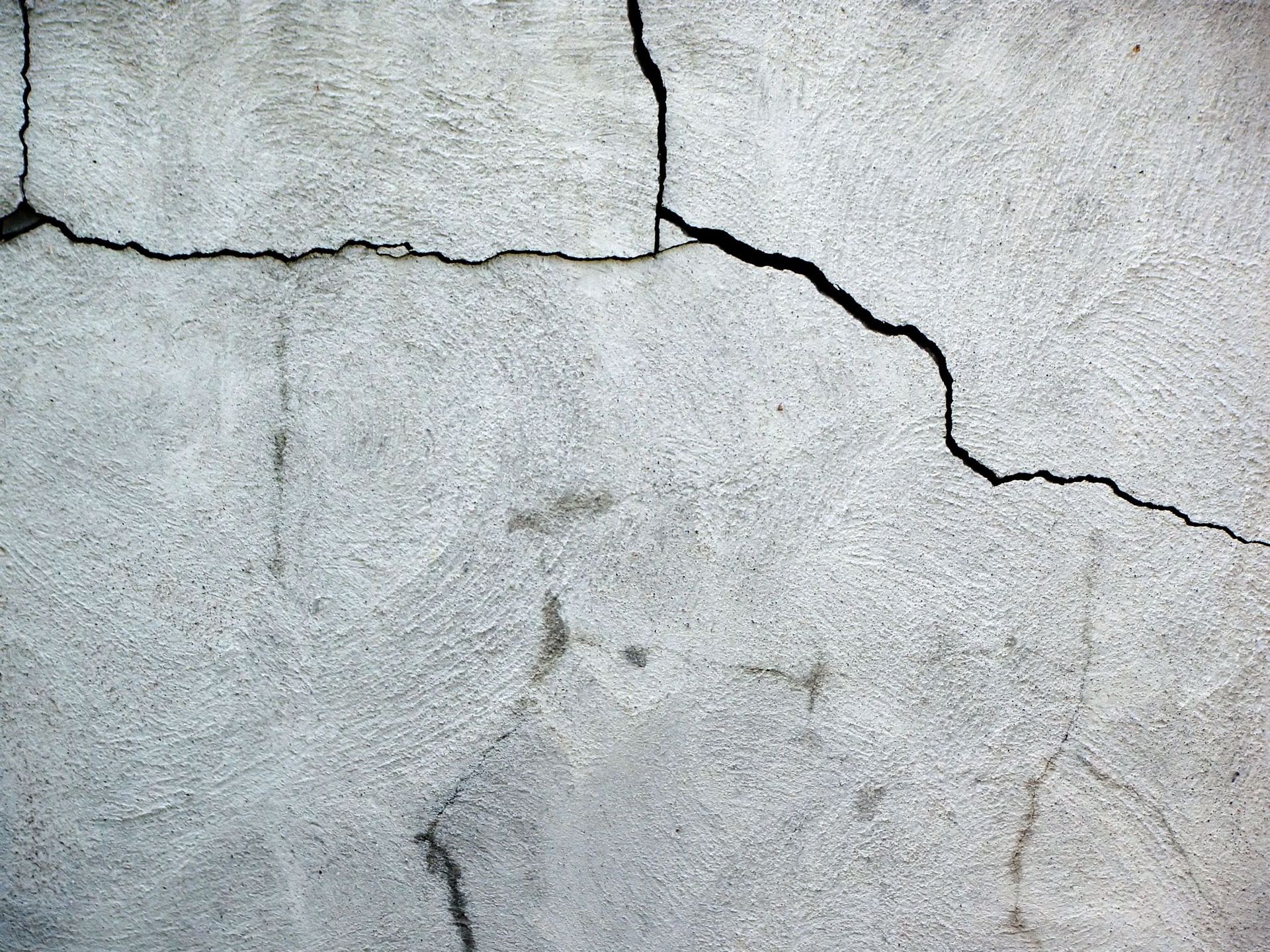
Repeated freezing and thawing is the main winter threat to a concrete driveway. Water soaks into tiny pores in the concrete. When that water freezes, it expands and can cause flaking, pitting, and cracks.
Gretna sits in Sarpy County on the southwest edge of the Omaha metro area. Nebraska winters bring big temperature swings and plenty of moisture. The city has also grown fast, with many newer subdivisions, so many driveways may still be young. Young concrete is the most sensitive to winter damage.
Road salt adds to the problem. Vehicles can carry salt from nearby routes, such as Highway 6 and Interstate 80, onto your driveway. Over a long winter, that salt can build up on the surface.
Inspect, Repair, and Seal Before the Snow
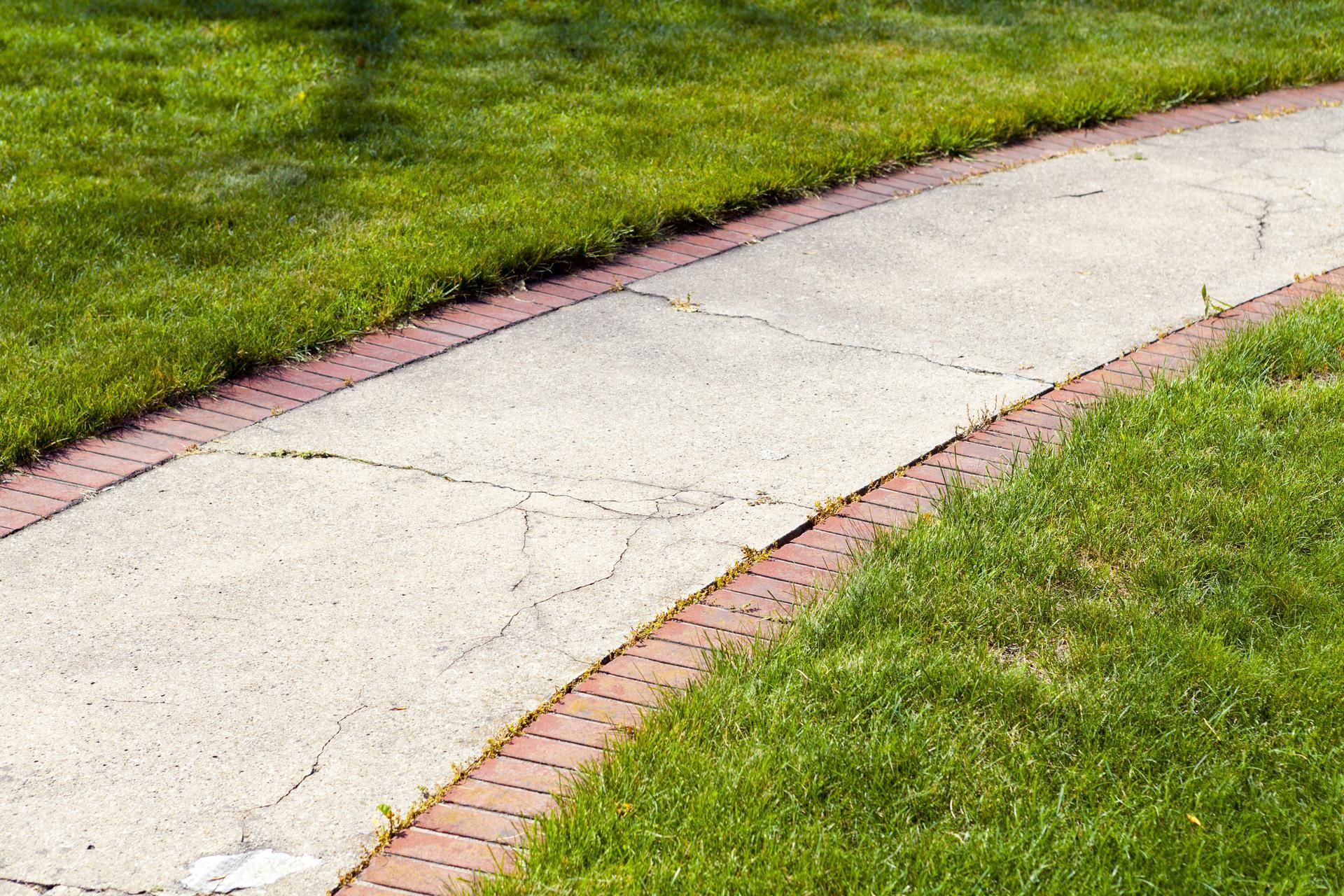
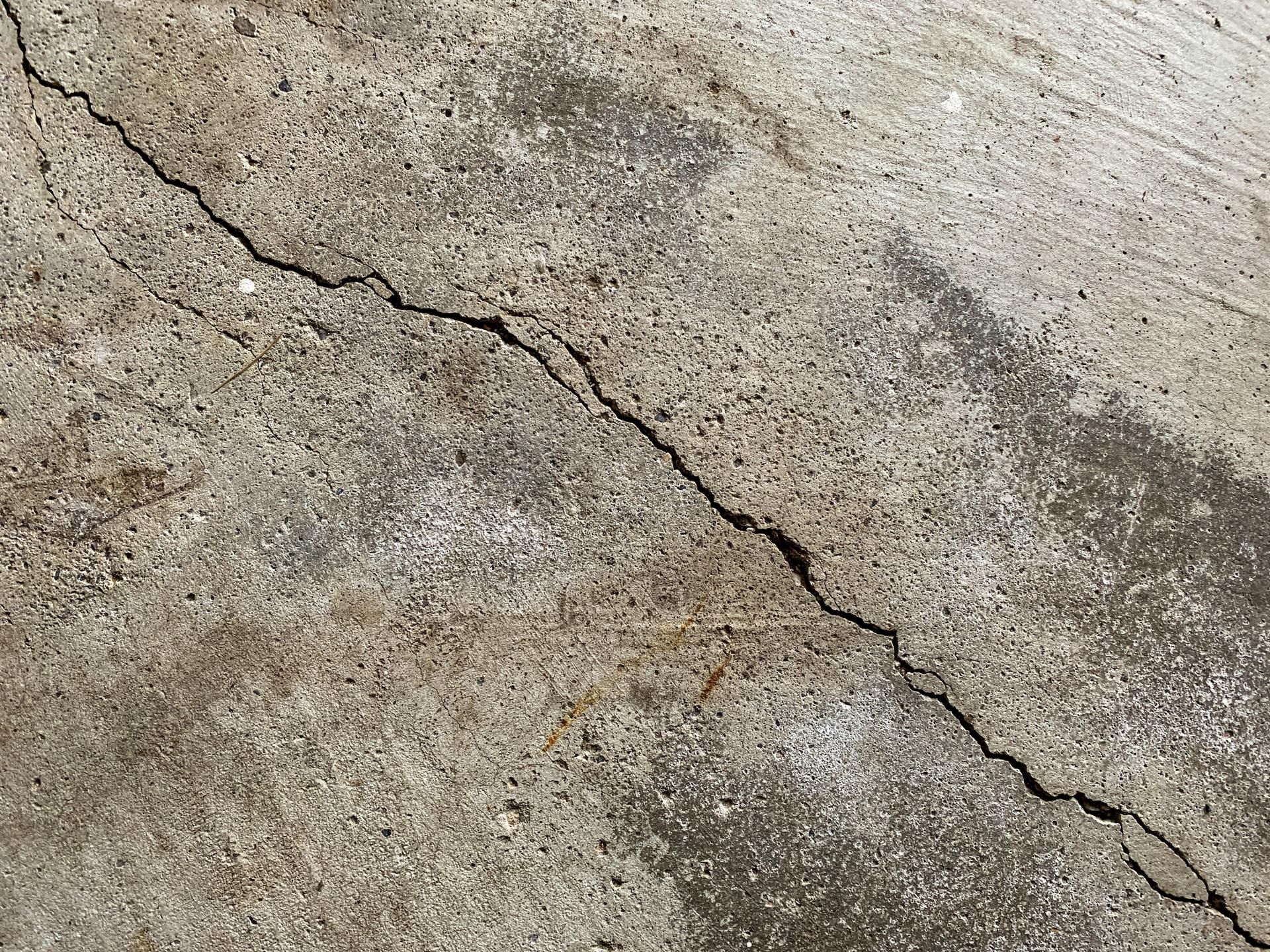
Fall is a good time to find small problems before snow and ice hide them. Walk your driveway and look for cracks, flaking spots, and places where water collects. Small cracks can let in more water, so early repairs help.
A penetrating sealer can help keep water and salt out of the concrete. Always follow the product directions for weather and timing.
How Often Should You Seal a Concrete Driveway?
Most driveways need a fresh coat of sealer every few years. On new concrete, sealer is often applied about 28 to 30 days after the pour. After that, many sealers are reapplied every two to three years, depending on the product and how much wear the driveway sees. A local pro can suggest a sealer that fits your driveway.
Snow Clearing Habits That Protect Concrete
Clear snow early and often so ice cannot bond to the surface. Ice that sits on concrete goes through more freeze-thaw cycles. Try these habits:
- Shovel soon after the snow falls.
- Keep downspouts and low spots clear so meltwater can leave the surface.
- Rinse salt left by vehicles off the concrete when temperatures allow.
- Avoid letting slush or standing water freeze on the driveway.
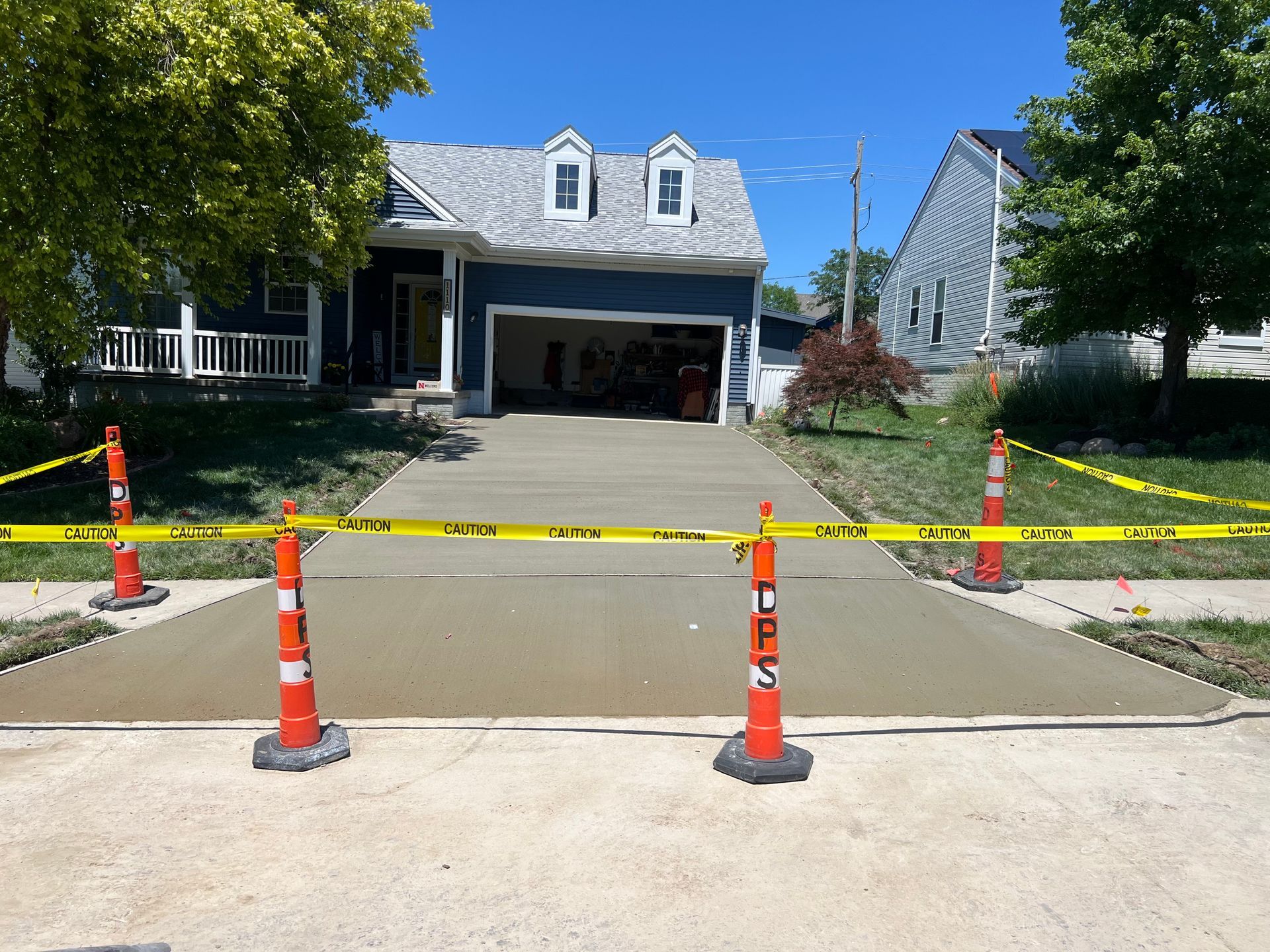
On a new driveway, keep it clear of snow and ice during its first winter.
Drainage matters too. Check where your gutters and downspouts empty. Water that runs across a driveway can freeze into a slick sheet of ice, so pointing downspouts toward the lawn may help.
Choosing De-Icers Without Harming Your Driveway
The safest plan is to use as little de-icer as possible, and none on new concrete. De-icers can add to freeze-thaw damage, especially on young concrete.
Does De-Icing Salt Damage Concrete?
Yes, it can, especially during the first winter and often the second. Salt keeps more water moving through the surface during repeated freezes. Well-made, air-entrained concrete handles this better, but heavy salt use can still cause scaling.
Which De-Icers Should You Avoid?
Avoid products with ammonium nitrate or ammonium sulfate, which can quickly break down concrete. These fertilizer-type products are sometimes sold as melters. Sand can add traction instead. If you use salt on older concrete, shovel first and spread it sparingly. Read the ingredient list on the bag before you buy, so you know what you are putting on your driveway.
A Simple Season-by-Season Routine
A short routine makes winter care easy to remember. Use these three steps each year:
- Late summer or fall: Inspect the driveway, repair small cracks, and seal it when the weather allows.
- Winter: Clear snow early, use very little de-icer, and rinse off road salt when you can.
- Early spring: Look for new cracks, flaking, or pooling water, then schedule repairs before the next winter.
Put these dates on your calendar so the routine becomes a habit.
When to Call a Concrete Contractor in Gretna, NE
Call a concrete contractor when damage keeps spreading or water collects where it should drain. A professional can tell you whether sealing, repair, or replacement makes sense. Warning signs include:
- Flaking or scaling on the surface.
- Pits or small craters, often called spalling.
- Cracks that keep growing wider or longer.
- Sunken or uneven slabs.
- Water that pools instead of draining.
If your driveway is new, ask your contractor whether the mix was air-entrained and which de-icers to avoid. You can also review the concrete services for Gretna available in your area.
Keep Your Driveway Strong This Winter
Good winter care starts with sealing, early snow removal, and careful de-icer choices. DPS Construction, an Omaha, NE, concrete contractor, is serving Gretna, NE, homeowners and property managers with driveway repair, replacement, and new installation. Our crews can inspect your concrete and explain your options.
Call
(402) 612-7222 or
request a free quote to get started.